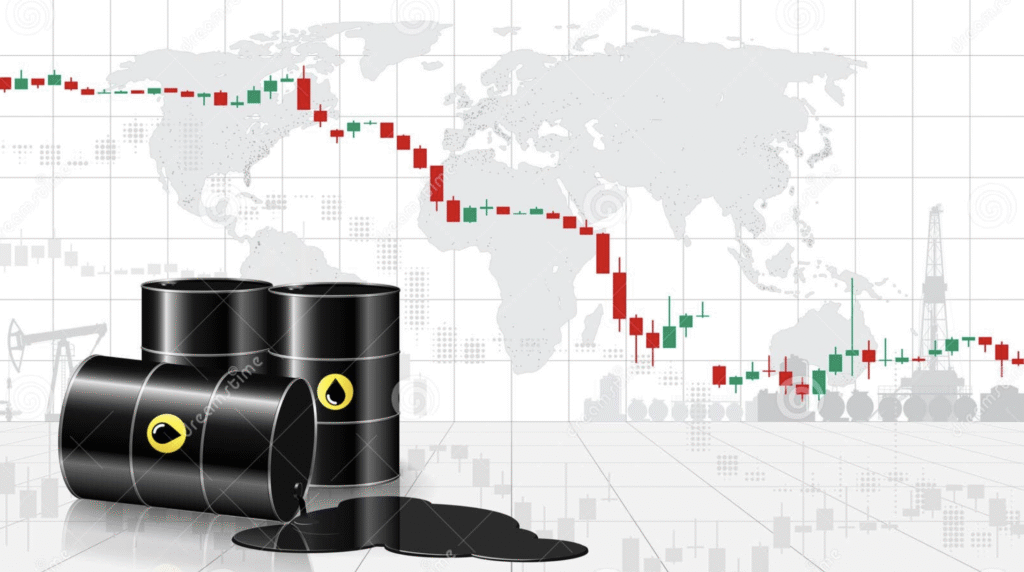
A storm in the Strait of Hormuz is shaking global energy markets again. Oil surged toward the $100 mark after fresh geopolitical tensions triggered fears of supply disruption.
Brent crude briefly climbed to $100.83 before settling near $97.40. The move came despite the International Energy Agency’s recent strategic reserve release. That intervention had temporarily cooled prices earlier in the week.
Global markets showed surprising resilience. The S&P 500 and Nasdaq slipped only 0.1%. Investors appear to believe the disruption may still be contained.
Gold held steady around $5,087 per ounce. This suggests investors remain cautious but are not rushing into panic trades.
Nigeria Strengthens Its Financial Strategy
While global markets process the shock, Nigeria is tightening its domestic financial strategy.
President Bola Tinubu has nominated Lamido Abubakar Yuguda, the former Director General of Nigeria’s Securities and Exchange Commission, as Deputy Governor of the Central Bank.
The appointment signals deeper coordination between the banking system and the capital markets.
Meanwhile, the NGX All-Share Index slipped slightly to 195,898.54. Investors rotated funds into Industrial Goods, which gained 1.4%.
Currency markets remain relatively stable. The naira opened near ₦1,867 per pound in the official window.
The Bigger Picture
The message is simple. A storm in the Strait of Hormuz may shake global markets.
But Nigeria is quietly building a strategy designed to strengthen its financial foundations.
Stay disciplined. Stay bold. Lead the way.
For more daily finance insights in 5 minutes or less, Stay connected: Instagram / Twitter/ Youtube