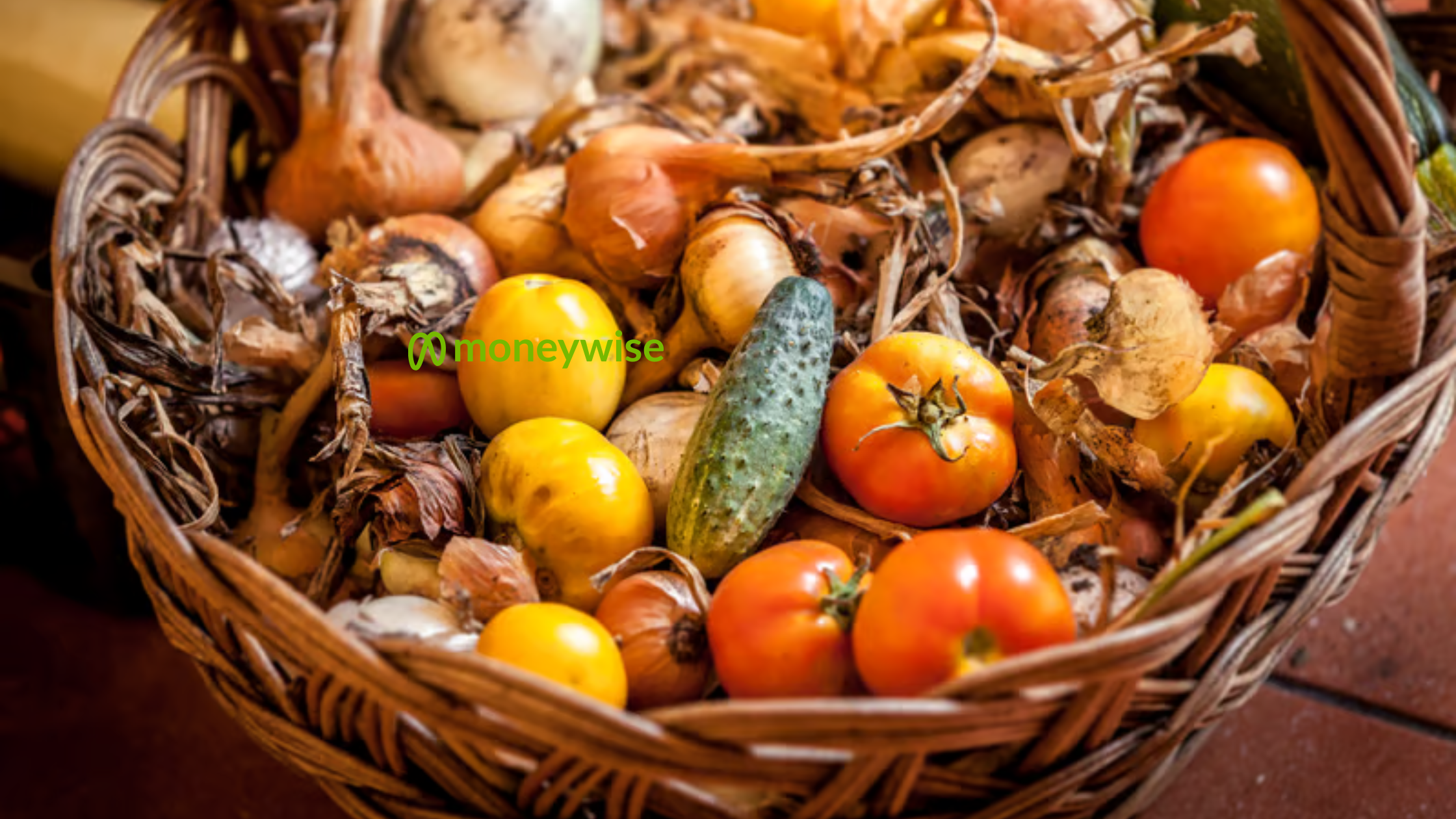
A woman leaves Jos with ₦10m worth of tomatoes, hopeful and full of plans. By the time she reaches Lagos, ₦4m has turned to waste. If you could stop that loss, how much would she pay you? This is the daily life of traders across Mile 12, Ketu, and many markets. Food is actually plenty, but keeping it fresh is a real problem.
Every year, Nigeria loses between ₦3.5 trillion and ₦5 trillion this way, simply because tomatoes, fish, vegetables and fruits cannot survive the journey from farm to city.
Farmers work hard, traders wake early, yet money still slips through their hands. Then, you see a woman sorting rotten tomatoes under the sun, removing the bad ones to save what she can. It’s a ₦160b opportunity gap.
Tunde watches all this, shakes his head and says, “This country is too stressful.” He focuses on salary only, hoping stability will save him.
Halima looks at the same scene and asks a simple question. “If food is dying on the road, who can help keep it alive?” She builds a small ₦8 million cold room near Jos farms and charges ₦3,000 per crate per week. If she stores just 200 crates weekly, that is ₦600,000 per week.
In one month, she earns about ₦2.4 million. In 4-5 months, her ₦8 million is back. Then she begins to scale gradually.
Within months, farmers begin to protect her number like gold. Because she is solving a problem that is costing them real money every single day.Over time, Halima is earning big from tomatoes she didn’t plant, fish she didn’t catch, and vegetables she didn’t grow. She positioned herself where value was leaking.
How to start wisely (Step-by-step)
1. Visit Mile 12, Ketu or any big market watch, ask traders what spoils most
2. Validate and partner with at least 10 farmers & traders before spending
3. Start with shared cold storage using rented space or speak to cold room builders, local fabricators
4. Plan power first, combine NEPA with solar before you build
5. Keep learning and improving for scale.
Remember, we don’t grow by learning alone. We grow by doing.
Grab the gist?